5 Signs Someone Is Using Your Trademark Without Permission
When someone steals your trademark, they are stealing your profits and reputation because it is your company’s identity. As trademark infringement becomes easier and more lucrative for criminals both online and offline, business owners and entrepreneurs are facing an increasing threat.
Early detection of trademark theft can prevent long-term harm to your brand and save you thousands of dollars in legal fees. We’ll go over the most typical red flags, such as counterfeit goods being marketed under your name and unapproved use of your brand name or logo. You’ll also discover how scammers use SEO manipulation and domain name theft to target your online presence in an attempt to steal your clients.
When it comes time to take action, your legal position will be stronger the sooner you identify these violations.
1. Unauthorized Use of Your Logo or Brand Name in Promotional Items

Rivals using your trademark on their websites
On their websites, some rivals abuse your trademark in an attempt to drive traffic away from you. As a “better alternative,” they might put your brand name in comparison pages, meta tags, or hidden text. To attract customers who are looking for your brand, others make landing pages with your trademark on them.
Your logo being used by third parties in advertising campaigns
Your logo may occasionally be used by third parties in advertisements to suggest a fraudulent partnership or endorsement. Resellers frequently mislead customers about official associations by incorporating it into promotions without authorization.
Social media profiles that mimic your brand
Fake accounts on popular platforms use similar handles to look real, imitating the tone and aesthetics of your brand. These imposters interact with followers and might even advertise rival goods, undermining the credibility of your company.
Unauthorized use of your trademark in printed materials
Without your permission, your trademark may appear on printed materials such as business cards, brochures, and trade show displays. Confusion in the market results from former distributors or partners frequently continuing to use your branding.
2. Products Sold Under Your Trademark That Are Copycats
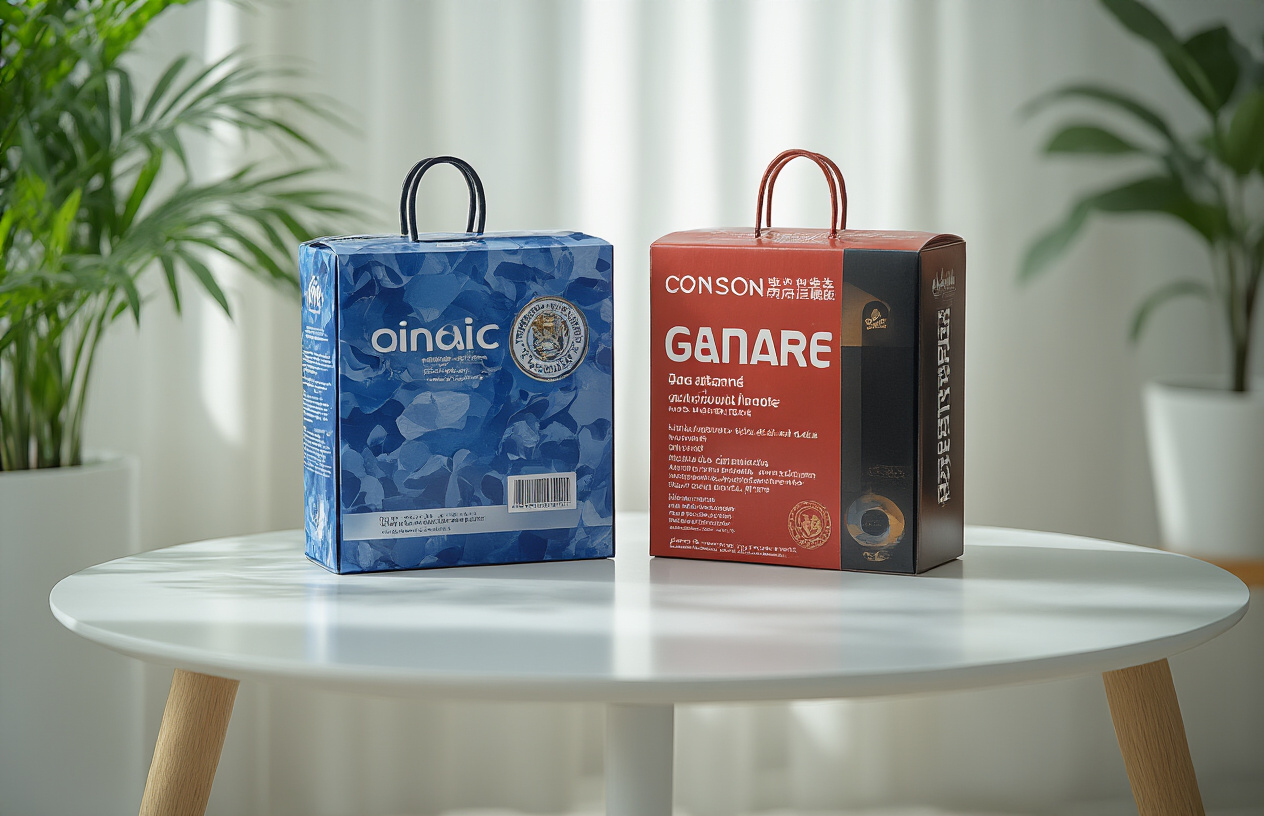
Similar or identical goods that use your exact trademark
It is obviously an infringement when someone else uses your trademark to sell imitation goods. These copycats use your packaging, design, and logo to mislead consumers and capitalize on the good name of your company.
Fake Products Using Your Brand Name
Products that are intentionally fake in order to mislead consumers are known as counterfeits. They are low-quality imitations of your branding that harm its reputation. Many are hard to stop because of their extensive, global operations.
Online Stores Offering Illegal Goods
Sellers frequently use trademarks in product listings on websites like Amazon, eBay, and Etsy in an attempt to deter customers. Their low costs and increased visibility can undermine credibility by overshadowing your real products.
Retailers Using Your Trademark on Fake Goods
Some physical stores, ranging from neighborhood stores to bargain chains, carry counterfeit goods bearing your name. These sales, whether deliberate or not, deceive consumers and have a negative effect on brand trust.
Production Plants Making Knockoff Products
In order to imitate your products and packaging, counterfeit production frequently begins in unlicensed factories using low-quality materials. Such operations are still challenging to identify or stop because of lax IP enforcement in some areas.
3. Registering a Domain Name That Reflects Your Trademark
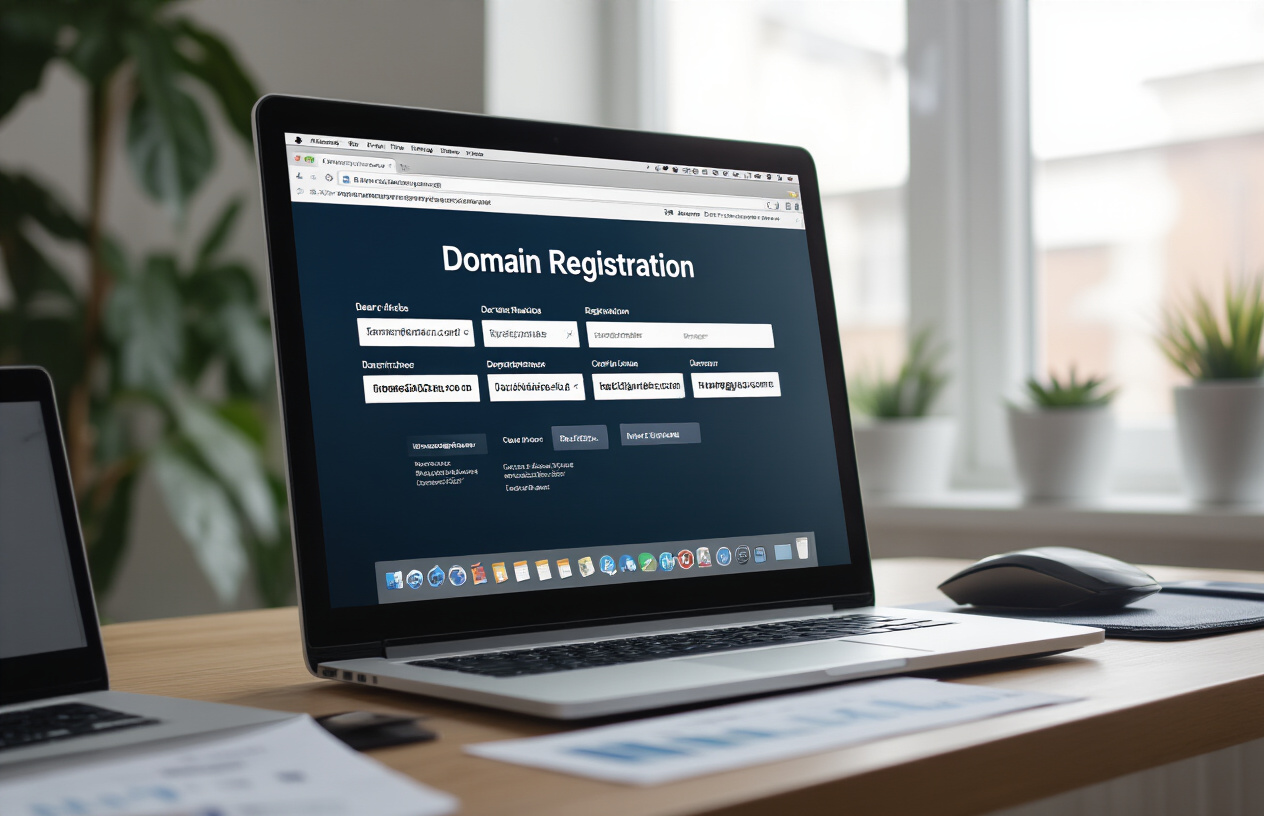
Similar Web Addresses Being Registered by Competitors
To take control of your online identity, some rivals register domains that look like your trademark. In order to mislead consumers and divert traffic, these lookalike websites frequently imitate your brand name, design, and content. Others park these domains to attract unintentional visitors or use them for advertisements. In addition to reducing traffic, this can damage your brand’s reputation if customers start associating your company with bad experiences.
Cybersquatters Buying Domains with Your Trademark
Cybersquatting is the practice of people registering domains that contain your trademark or similar variations in an attempt to capitalize on the popularity of your brand. To gain more clout, they frequently purchase international domains and several extensions (.com,.net,.org). Usually, they want to lease the domains to rival businesses, sell them back at exorbitant prices, or use them for advertisements or rival websites. Early domain registration is essential for protection because many people take swift action after noticing new trademarks or brand launches.
Attempts to Typosquat Your Brand Name
Typosquatting is when criminals register domains that contain common misspellings or variations of your trademark in order to take advantage of typos, such as “google.com” for “google.com” or “amazzon.com” for “amazon.com.”
In order to steal information or sales, these phony websites frequently display advertisements, gather user data, or imitate your website. Some even operate phony customer service pages or phishing scams, harming your credibility. Each visit to a typosquatted website results in lost traffic, possible data risks, and damage to the reputation of your brand.
4. Company Registrations or Business Names Using Your Trademark
New companies using your trademark as part of their name
Intentionally or accidentally, some new businesses choose names that are very similar to already-existing trademarks. For example, if “ABC Systems” is your trademark, they may register “ABC Solutions Inc.” or “YourBrand Services LLC.” If they first create local or foreign business registrations, this can lead to confusion and erode your trademark rights.
Hazards Associated with It:
- Legal issues with trademark enforcement
- Customers’ and business partners’ confusion
- Rivals taking advantage of your well-known brand
- Using a similar name to enter your market
Warning Indications:
- Registrations of businesses that use your trademark or similar variations
- Businesses that add “Corp,” “LLC,” or “Inc.” to your name
- Foreign organizations that are registering your trademark overseas
sole proprietorships using your brand name
On websites, business cards, and social media, independent operators frequently use your trademark without permission. Even if they start out small, their actions can quickly go viral online, deceiving consumers and weakening your brand.
On websites, business cards, and social media, independent operators frequently use your trademark without permission. Even if they start out small, their actions can quickly go viral online, deceiving consumers and weakening your brand.
Corporate Filings and Partnerships:
Sometimes corporations or partnerships use your trademark in their official names (such as “YourBrand Partners” or “YourBrand Associates”), giving them a false sense of legitimacy in public records. Particularly when registered in several jurisdictions, these filings complicate enforcement.
Tips for Monitoring:
- Search partnership and corporate databases on a regular basis.
- Set up alerts for new business name registrations
- Keep an eye on global business registries in important markets.
5. Targeting Your Trademark with Digital Content and SEO Manipulation
Bidding on your trademark keywords in pay-per-click ads
In order for your trademarked keywords to show up above your official website in search results, competitors and unapproved advertisers frequently bid on them. Customers are misled, traffic is diverted, and the credibility of your brand may be harmed. Competitors, affiliates, and con artists who use misleading ad copy that suggests affiliation are examples of offenders. Even though search engines forbid trademark abuse, enforcement varies, so it’s crucial to keep an eye out for and report infractions using screenshots and ad details.
Search engine optimization tactics that take advantage of your brand terms
In order to get organic traffic intended for you, bad actors create websites that are optimized around your trademark. To rank for searches that include your brand name, they employ strategies like keyword stuffing, “alternatives to” comparisons, and phony review pages. These websites frequently employ sophisticated SEO to outrank your official pages, deceiving visitors and weakening your online visibility.
campaigns using content marketing that improperly mentions your trademark
Through comparisons, “vs” articles, or deceptive mentions, some marketers abuse trademarks in blogs, videos, or social media to increase their visibility. Others suggest phony collaborations or endorsements by using branded hashtags or keywords in emails and posts. Such abuse can misrepresent your company online, confuse audiences, and erode brand identity.

Being watchful is necessary to protect your trademark. Whether it’s copycat products, lookalike domains, misleading ads, or businesses using your name, these infringements can erode your reputation and steal customers before you notice.
Be proactive by monitoring new domain and business registrations, setting up Google Alerts for your trademark, and keeping an eye out for fakes on online marketplaces. Get in touch with a trademark lawyer right away if you see any misuse. Protecting your brand and maintaining the trust you’ve earned requires prompt action.