Term Sheet
Get in Touch to Explore More
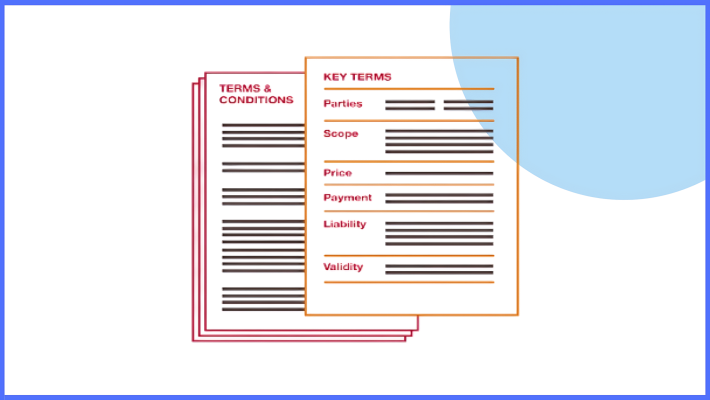
A Term Sheet is a preliminary, non-binding document that outlines the essential terms and conditions of a proposed business transaction. It serves as a foundation for negotiation and provides a clear framework for drafting the final, legally binding agreements, such as a Share Purchase Agreement, Investment Agreement, Loan Agreement, or Joint Venture Agreement.
In India, a term sheet plays a vital role in corporate transactions, especially during venture capital investments, mergers and acquisitions (M&A), strategic partnerships, and fundraising rounds. It helps both parties — investors and companies — to align on the major commercial and legal aspects before engaging in detailed documentation and due diligence.
Purpose of a Term Sheet
The main purpose of a Term Sheet is to ensure mutual understanding between the parties before formalizing a deal. It helps in:
1. Setting out key commercial terms of the proposed transaction.
2. Defining the structure, valuation, and rights involved.
3. Reducing misunderstandings and potential disputes.
4. Speeding up the negotiation and drafting process for the final agreement.
5. Demonstrating the intent to move forward with the transaction.
While the term sheet itself is non-binding, certain clauses such as confidentiality, exclusivity, and governing law may be legally enforceable.
Key Components of a Term Sheet
A comprehensive Term Sheet typically includes the following essential elements:
1. Description of the Transaction
A brief summary of the proposed deal, including:
a. The parties involved (investors, founders, companies, or lenders).
b. The type of transaction (investment, acquisition, loan, or joint venture).
c. The structure of the deal, such as equity purchase or debt financing.
2. Economic Terms
This section outlines the financial aspects of the transaction:
a. Valuation of the company or asset.
b. Purchase price or investment amount.
c. Type and class of shares (equity, preference, convertible instruments, etc.).
d. Payment terms, milestones, and contingencies.
e. Dividends, liquidation preferences, and anti-dilution rights (for investment deals).
3. Governance Terms
Defines how the company will be managed post-transaction:
a. Board composition and voting rights.
b. Information and inspection rights for investors.
c. Reserved matters requiring special approval.
d. Restrictions on company actions like share issuance, borrowing, or sale of assets.
4. Closing Conditions
Specifies the conditions that must be satisfied before the transaction can close:
a. Regulatory approvals and compliance with Indian laws.
b. Due diligence completion by investors.
c. Execution of definitive agreements (like shareholders or investment agreements).
d. Fulfillment of financial or operational prerequisites.
5. Representations and Warranties
Statements made by the parties to confirm the accuracy of information and the company’s condition. This may include:
a. Financial disclosures.
b. Legal compliance.
c. Ownership of assets and intellectual property.
d. Absence of undisclosed liabilities or disputes.
6. Exclusivity Clause
Outlines whether the parties agree to negotiate exclusively for a specific time period, preventing either party from entertaining third-party offers during the negotiation phase.
7. Termination Clause
Defines the conditions under which negotiations may be terminated, including:
a. Failure to meet agreed timelines.
b. Inability to satisfy due diligence conditions.
c. Mutual consent of both parties.
8. Confidentiality and Non-Disclosure
Protects sensitive business and financial information shared during negotiations. This clause is usually legally binding, ensuring that neither party discloses or misuses confidential details.
Legal Nature of a Term Sheet
Although a Term Sheet is primarily a non-binding document, it carries significant business and legal importance. Certain provisions, such as confidentiality, exclusivity, and governing law, may be legally enforceable, depending on how the term sheet is drafted.
A well-drafted term sheet minimizes misunderstandings and sets the stage for a smoother, faster, and more efficient execution of the final transaction documents.
Importance of a Well-Drafted Term Sheet
A clear and precise term sheet ensures:
1. Transparency between parties from the outset.
2. Reduced negotiation time and lower legal costs later.
3. Defined expectations and commercial clarity.
4. Avoidance of disputes arising from miscommunication.
5. Protection of interests during the due diligence and deal structuring process.
xLegal’s Expertise in Term Sheet Drafting
At xLegal, our experienced corporate lawyers assist businesses, investors, and startups in drafting, reviewing, and negotiating legally sound term sheets that safeguard their interests and set the foundation for successful transactions.
Our Term Sheet Services Include:
1. Drafting customized investment and acquisition term sheets.
2. Reviewing existing term sheets for legal and commercial accuracy.
3. Ensuring compliance with Indian laws and industry standards.
4. Negotiating on behalf of clients for favorable terms.
5. Assisting in the transition from term sheet to final agreement.
Why Choose xLegal
1. Expert corporate and transaction lawyers.
2. Legally compliant and commercially practical drafting.
3. Transparent pricing and timely delivery.
4. End-to-end support from negotiation to final agreement.
5. Experience across startups, investors, and enterprises.
Need expert assistance? xLegal Team provides end-to-end support for this, Contact us at +91 9319661668, info@xlegal.in